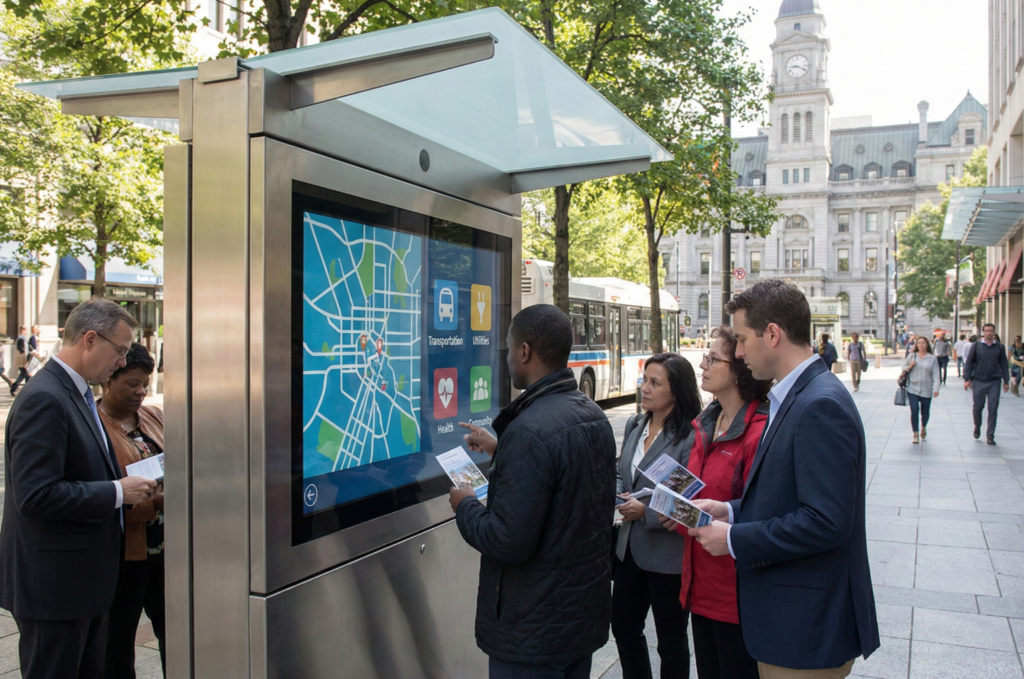
I’ve always believed that finding reliable city services shouldn’t feel like a scavenger hunt. Whether you’re dealing with a pothole-riddled street, needing a permit for that backyard deck, or just wanting to know where to recycle old electronics, having a central spot to start makes life so much easier. That’s where platforms like City Service Central come in—they pull together all the essential info you need right in one place.
Why You Need a City Services Directory
When I first moved to a new neighborhood, I wasted hours bouncing between websites trying to figure out trash pickup days or how to report a broken streetlight. A good city services directory solves that chaos by organizing everything from utilities and public works to community programs and emergency contacts. It saves you time and frustration, especially in bigger cities where services vary by district or neighborhood.
These directories also keep you updated on changes—like seasonal leaf collection or new recycling rules—that might otherwise catch you off guard. According to the U.S. Census Bureau, over 80% of Americans live in urban areas, making quick access to local services more critical than ever here. Without one, you’re left guessing, and that’s no way to handle daily life.
Common City Services You Rely On Daily
Think about the basics: water and sewer billing, parking enforcement, and animal control are just the start. Then there are the bigger ones like building inspections for home projects or transportation options for getting around town. In this area, services often include everything from street maintenance to library hours, helping residents stay connected to their community.
Trending now, with more folks working from home, demand is up for remote utility payments and virtual permitting—up 25% in many cities last year. A solid directory lists these with clear contact info, so you can handle issues fast without long hold times.
Public Works Essentials
From fixing sidewalks to managing stormwater during heavy rains, public works teams keep the city running smoothly. I’ve called them for a flooded yard once, and knowing exactly who to reach made all the difference. Directories highlight 24/7 hotlines for urgent problems like downed power lines.
Community and Recreation Services
Parks, pools, and after-school programs fall here, and they’re booming with post-pandemic wellness trends. Families in the city love easy access to registration links and event calendars, turning free time into fun without the hassle.
How to Spot Reliable City Services
Choosing the right service starts with checking response times and customer feedback—look for directories that feature verified reviews and update info regularly. I always prioritize ones with mobile-friendly layouts since I’m often on the go, searching for the nearest snow plow route in winter.
Ask locals or check community forums for tips on which departments are most efficient. Reliable ones offer multiple ways to connect, like apps, chat, or phone, and they explain processes plainly—no confusing legalese.
Questions to Ask Before Calling
- Do they have wait times posted online?
- Is there a self-service portal for common requests?
- Can they handle your specific neighborhood?
- What’s their policy on follow-ups for unresolved issues?
Step-by-Step: Getting Help Fast
Start by identifying your issue—say, a noisy neighbor or expired meter. Head to a trusted directory, enter your zip code, and scan the relevant category. Most have search bars that pull up exact matches, like “report graffiti” leading straight to the form.
Fill out any online reports with photos if possible; it speeds things up. Follow up with a call if needed, noting the ticket number they give you. This approach has helped me resolve everything from potholes to permit delays in under a week.
Quick Tips for Smooth Interactions
- Have your address and issue details ready.
- Call during off-peak hours, like mid-morning.
- Keep records of all communications.
Trends Shaping City Services Today
Sustainability is huge—many cities now push electric vehicle charging stations and zero-waste initiatives. In this area, expect more apps for reporting issues via photo uploads, cutting down on phone calls. Another trend: integrated health services, linking public works with wellness programs for things like air quality alerts during wildfire season.
Stats show digital adoption is key; a Pew Research study notes 85% of adults use government websites monthly for services. Staying ahead means directories that incorporate these shifts, keeping you informed on green energy rebates or remote court options.
Overcoming Common Service Headaches
Ever dealt with “it’s not our department” runaround? Directories with clear org charts prevent that, showing exactly who handles what. For the city, budget cuts have led to consolidated services, so one call might cover parks and roads now.
Pro tip: Batch your requests. Need a yard waste pickup and street sweeping info? Search both at once. This efficiency turns potential aggravation into quick wins, leaving more time for what matters.
Building Stronger Community Ties
City services aren’t just fixes—they connect us. Volunteer cleanups or senior shuttle programs listed in directories foster that neighborhood feel. I’ve joined a few tree-planting events found through one, and it made me appreciate the behind-the-scenes work even more.
In diverse areas like this, multilingual support is a must, and top directories highlight translation options or community liaisons. It’s about making everyone feel included, from new residents to long-timers.
Ready to simplify your city life? Your Go-To Directory for City Services has everything organized just for you. Dive in today and tackle those everyday needs with confidence—no more guesswork required.